
Stop Automating the Mess: A Practical Case for Simplicity in HR Workflows
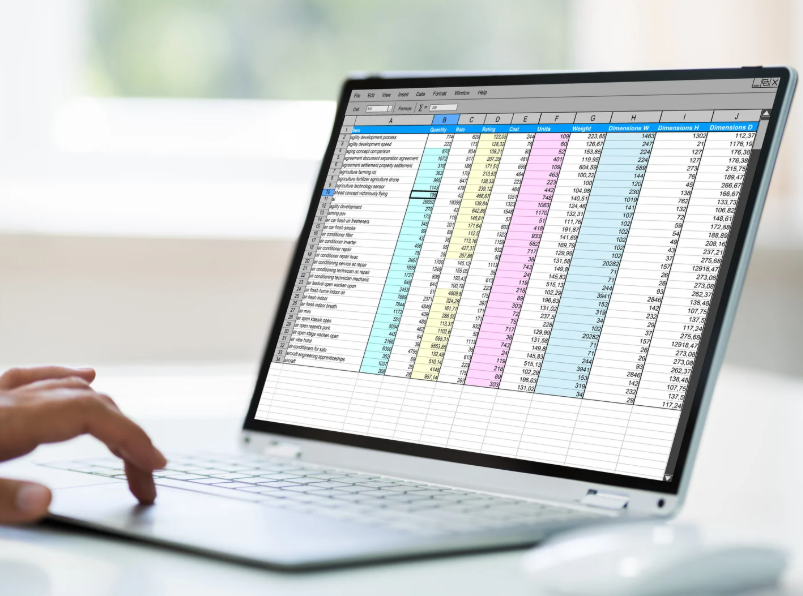
Does this sound familiar? It is 3:15 on a Thursday. A principal is asking when a new hire can start. Payroll is asking whether the all the experience is verified for salary calculations. The employee is asking about benefits. HR is working on all three, and somewhere in the middle, someone opens the spreadsheet.
That spreadsheet is not there because the team loves spreadsheets. It is there because the real process is not fully executable, visible, or trustworthy inside the system. When the official workflow cannot answer basic questions fast enough, people build a parallel truth: Where is this hire? Who approved it? What is missing? What is the next step?
Over time, the spreadsheet becomes integral to the process, and the system becomes the place where information gets entered after the fact. That is how cycle time grows, errors multiply, and stress becomes the norm.
Consolidation may reduce handoffs, but it does not automatically reduce complexity. If the system cannot carry the decision logic and exceptions, the spreadsheet will be back.
The click burden is telling you something.
It is tempting to blame “resistance to change,” but the day-to-day reality is simpler. When routine actions take too long, people protect their time. Too many clicks, too many screens, and too many fields that do not match the real decision at hand will result in workarounds every time.
That workaround might be a spreadsheet. It might be an email thread. It might be a sticky note. But the common thread is the same: the workflow is asking people to do extra work to compensate for gaps.
Spreadsheets are not only about where data lives
Spreadsheets do store data, but they also store “context.”
Some of what makes HR work “work” is in people’s heads: what counts as complete, which exception path applies, who actually needs to weigh in, and when a decision needs to happen to avoid downstream delays? When that context is missing from the workflow, the spreadsheet becomes the map. The rest lives in informal know how, side conversations, and memory.
So even with a modern platform, teams still use:
A spreadsheet to make work visible and dependable
Email to negotiate exceptions and timing
Personal know how to apply rules correctly
This is not necessarily a team deficiency. It is a process “design signal”.
What simplicity looks like in HR operations
Simplicity is not fewer policies or fewer systems. It is fewer failure points.
A simple workflow makes it easy to do the right thing on the first pass. It reduces reentry, repeated checking, and follow-up emails. It makes status clear without asking three people. It captures the minimum information needed to move work forward.
That is why “simplify, then automate” matters. If you automate a messy process, you simply move the mess a little faster.
A practical test
If your team needs a spreadsheet to run a process, do not start by blaming the spreadsheet. Start by asking what the spreadsheet is doing that the system cannot.
Is it:
Defining what “complete” means
Making status visible end to end
Handling exceptions that the workflow ignores
Carrying decision rules that are not written down
Protecting the team from predictable rework
Each answer points to a specific kind of simplification.
The point of simplification
You do not need a rip and replace project to reduce shadow systems. You need workflows that match how decisions are made, with clear minimum intake, clear ownership, and visibility that people trust.
When that happens, spreadsheets should become scarce. Not because someone banned them, but because people no longer need a parallel truth to get their work done.